Lineage & Honbu
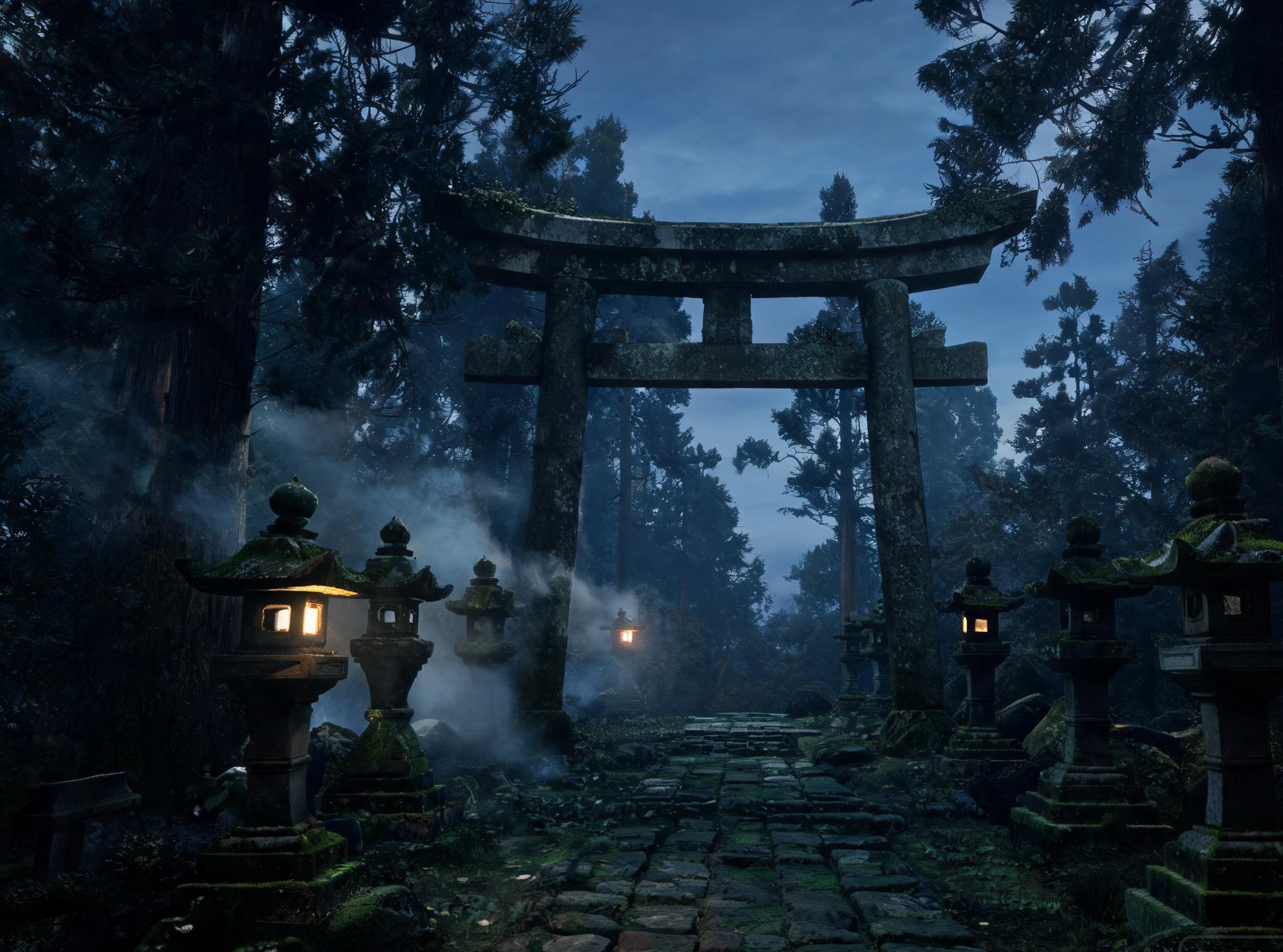
Renbukan operates under the direct guidance of Shinbukan in Narita, Japan, transmitting Tenshin Shoden Katori Shinto-ryu — an Intangible Cultural Property of Japan.
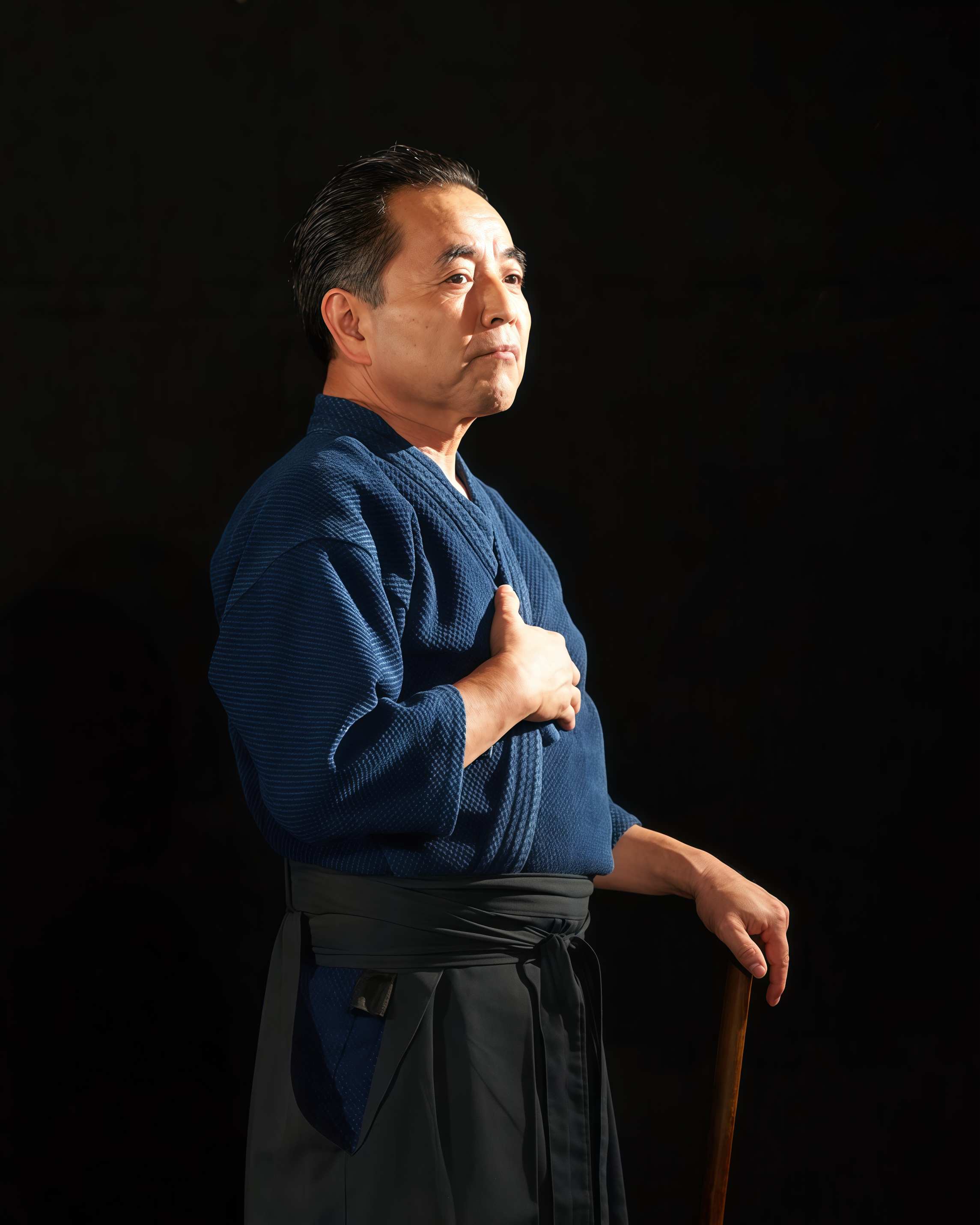
Shiihan Nobutoshi Otake
Holder of the Intangible Cultural Property of Chiba Prefecture
Shiihan Nobutoshi Otake
Lineage & Heritage
传承与系谱Shiihan Nobutoshi Otake trained from childhood under his father, the legendary Master Risuke Otake. Now recognized as an official holder of the Intangible Cultural Property of Chiba Prefecture, Shiihan Otake has mastered the comprehensive curriculum of Katori Shinto-ryu. His mastery spans classical weaponry — tachi (long sword), kodachi (short sword), ryoto (two swords), naginata (glaive), sojutsu (spear) — as well as traditional strategic arts including gunbai-ho (military strategy) and chikujo-jutsu (castle fortification).
Teaching Philosophy
教务理念与指导Shiihan Otake's instruction emphasizes both classical body mechanics and spiritual fortitude (shin-gi-ittai / mind and body as one). His teaching focuses on the precise alignment of the blade, weight distribution, and functional movement embedded within traditional kata. Under his guidance, practitioners learn that martial movement is not merely for combative efficacy, but a meditative discipline aimed at self-refinement and inner balance.
Connection with Renbukan
神武馆与炼武馆之渊源Renbukan operates under the direct guidance of Shiihan Nobutoshi Otake and the Shinbukan Dojo based in Narita, Japan. Shiihan Otake has personally attended and led seminars for our practitioners. Renbukan is dedicated to organizing and sending outstanding practitioners to the Shinbukan Headquarters in Narita for intensive training (gasshuku) and formal evaluation. Through this rigorous pathway, Renbukan has cultivated numerous qualified practitioners who have earned authentic licensures and titles — such as mokuroku and menkyo — directly from the headquarters.
Line of Transmission
Katori Shinto-ryu founded
Iizasa Choisai Ienao received enlightenment after a thousand-day vigil at Katori Shrine.
Shinbukan headquarters
The orthodox headquarters, transmitted from Master Risuke Otake to Shiihan Nobutoshi Otake.
Transmission of Katori Shinto-ryu begins in China
Among China's earliest Katori Shinto-ryu practitioners, training regularly at headquarters.
Renbukan founded in Shanghai
Classical instruction carried forward on the principle of individualized refinement.
Licenses & Certificates
Mokuroku and menkyo are issued directly by Shinbukan headquarters after formal evaluation. Renbukan itself never issues credentials.
Certificate photography to be supplied by the dojo
Katori Shinto-ryu
Japan's oldest surviving comprehensive martial tradition
c. 1447 · Mid-Muromachi period
Martial strategy exists to quell strife and restore peace, not as a mere instrument of destruction.
Cultural Status
- National designation
- Intangible Cultural Property of Japan
- International recognition
- UNESCO Intangible Heritage (proposal list)
- Unbroken lineage
- Nearly six centuries
Origins & Heritage
流派由来与传承Rooted in the sacred precinct of Katori Shrine under the tutelary deity Futsunushi-no-Mikoto, the system was forged through Iizasa Choisai's thousand-day ascetic prayer (shugyo). As a foundational system of Japanese swordsmanship, its influence directly shaped famous masters such as Tsukahara Bokuden and Kamiizumi Nobutsuna. Today, Katori Shinto-ryu still observes strict closed-door keiko and the blood oath (Keppan), preserving the techniques, stances and weapon forms of the Muromachi period.
Technical Characteristics
技法特点与体动Formulated during the Sengoku period, movements are optimized for armored combat (yoroi-kumiuchi), targeting vulnerabilities in classic armor with deep stances and precise thrusts. Unlike modern single-strike disciplines, Katori Shinto-ryu utilizes prolonged, dynamic partner drills that forge real-time adaptation, timing (maai) and stamina under heavy blade impacts. The foundational body mechanics of the tachi apply directly across all long-reach weaponry.
The Complete Art